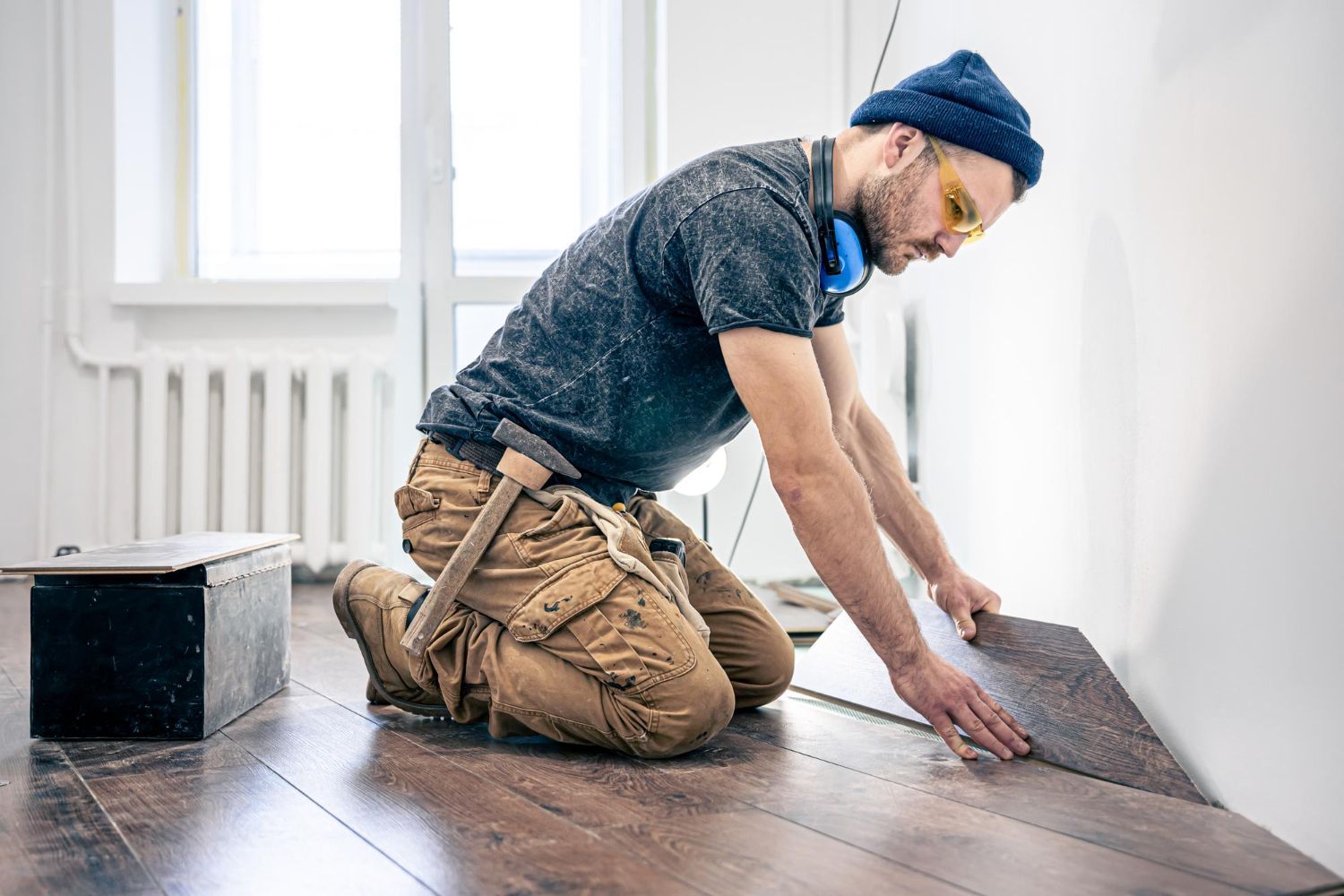
20 Definitive Suggestions For Deciding On Floor Installation
How Much Will Floor Installation Cost In Philadelphia?It's true that flooring expenses in Philadelphia are among those subject areas that will yield wildly diverse figures based on where you check -- and most of what's posted online is usually national average data that doesn't accurately reflect local labor rate or is unspecific enough to not be useful when you're trying budget a project. The Philadelphia metro area has particular pricing patterns: Union-adjacent markets for labor, aging housing stock that frequently produces subfloor surprises and a wide range between low-cost flooring installers and licensed contractors with insurance. This is a basic breakdown of the cost of installation within the city as well as surrounding counties in the present.
1. LVP Installation Is Your Most Affordable Starting Point
Luxury vinyl plank is consistently an installation option that is the cheapest in Philadelphia. Most LVP flooring suppliers offer installation at between $2.50 between $2.50 and $4.50 per square meter for labor alone, with mid-range LVP material costing a further $2 to $5 per square foot. All-in, a typical area costs $4.50 to $9 for each square foot of flooring. It's very easy to lay, requires minimal prep for the subfloor in the majority of cases, and floating method decreases the time to work by a significant amount when compared to nail-down glue-down options.
2. The installation of hardwood is more expensiveand for good reason!
Solid hardwood installation in Philadelphia typically runs $6 to approximately $12/square foot for labor, based on the method of installation as well as on the service provider. Nail down hardwood is considered to be on the higher end because it requires more preciseness, the proper subfloor depth and more time for installation. In addition, gluing down hardwood to concrete slabs will cost more material for adhesive. The type of wood used for glue-down varies greatly as budget hardwood starts at $3.50 per square foot but the more expensive species like white oak and hickory may reach between $10 and $14 per square foot prior to the nail goes in.
3. Refinishing wood is cheaper than Replacement typically
If the hardwood floors you've got are structurally sound Refinishing and floor sanding in Philadelphia generally costs $3 to $7 per square foot -more than ripping the floor and replacing. Customizing the staining process for hardwood floors during refinishing adds cost but is still lower than a new installation. Be aware that floors that have been refinished a number of times or suffer from significant water damage or aren't thick enough for a second pass aren't always the best candidates. A good assessment by a certified flooring expert will determine which side of this line you're in.
4. Tile Installation Carries a Higher The Cost of Labor
Ceramic tile installation and porcelain is the most labor-intensive flooring type. Philadelphia flooring contractors typically charge $7 to $14 per square foot for labor to install tile, with porcelain at the higher end because of the difficulty of cutting. Wide-format tile, diagonal patterns and bathroom tile installations with borders or niches can push costs even higher. The cost of materials varies between $1.50 for a square foot for ceramic tiles as high as $15 for premium quality porcelain. If you've been quoted the price of a tile that seems low Ask specifically what's included.
5. Laminate Installation The Laminate Installation is between LVP and Hardwood
Laminate floor installation within Philadelphia typically ranges from $3 to 6 per square foot depending on the area, materials included at the upper end of the range. It's a floating floor similar to LVP and therefore the labor costs are similar, but laminate is more tolerant of floors that are uneven and more vulnerable to moisture, which determines where it's able to move in a Philadelphia home. A lot of flooring installation quotes have laminate flooring, and it's sometimes the right decision dependent on the space.
6. Subfloor Repair is a Wildcard That catches homeowners off guard
This is the line item that eats into budgets most of the time. Subfloor repair in Philadelphia including patching cracks, leveling and resurfacing areas of old-fashioned board subfloor -- could cost one to three dollars per square inch on top flooring installation cost, or more. Older homes located in Kensington, Germantown, West Philly and areas similar to them are particularly prone to this. Flooring estimates that don't include a subfloor analysis prior to giving you a final estimate must be taken with caution.
7. Where You Are Within the Metro Will Influence the Price You Quote
Flooring installation costs that are charged in Bucks County, Montgomery County, Delaware County, and South Jersey aren't dramatically different from Philadelphia itself, but there are some variations. Suburban contractors are often less expensive in expenses, and city jobs often come with access and parking costs. If you're pulling quotes from different counties, you should ensure you're comparing similar items included. For instance, materials and subfloor preparation along with furniture moving, the haul-away procedure is handled differently for different contractors.
8. Getting Multiple Free Flooring Estimates Is Non-Negotiable
Most reliable flooring companies in Philadelphia provide free estimates. Check at least three estimates prior making a decision. The variance between the cheapest and most expensive estimate on the same job usually ranges between 30 to 40 percent, while the cheapest quote may not always the most effective -- nor is the highest priced one always the best. The most important thing to look at is whether the contractor actually evaluated the subfloor's condition, understood its scope, and priced accordingly.
9. Engineered Hardwood Obtains a Mid-Price Point
Engineered hardwood flooring in Philadelphia typically costs between $5 and $9 per square foot -- less than solid hardwood but higher than LVP, and comes with the characteristics of performance that make it the best choice in a variety of circumstances. It's a good idea to ask any flooring service you deal with about including an engineered plank of wood in the price they offer if you're in a bind between vinyl and solid wood plank.
10. The Lowest Cost Often Doesn't Survive Communication with the Job
Experienced Philadelphia homeowners can provide this tale based on their personal experience. An estimate that appears to be significantly lower than the market typically means that something is excluded -- subfloor work such as baseboards, transitions or the proper acclimation of the material. Flooring contractors with a license incorporate these into their estimations since they know the work requires them. Budget operators who are not licensed let them go to win the bid, then present these as additional items once the construction has begun. You must have all items listed in writing before anyone starts pulling away your floor. Take a look at the best
laminate flooring installation Philadelphia for website recommendations including flooring contractors Philadelphia PA, kitchen tile flooring Philadelphia, laminate flooring installation Philadelphia PA, flooring installation near me Philadelphia, LVP flooring contractors Philadelphia, flooring contractors Bucks County, hardwood floor installation cost Philadelphia, hardwood flooring Montgomery County, LVP floor installation cost Philadelphia, hardwood flooring Philadelphia and more.
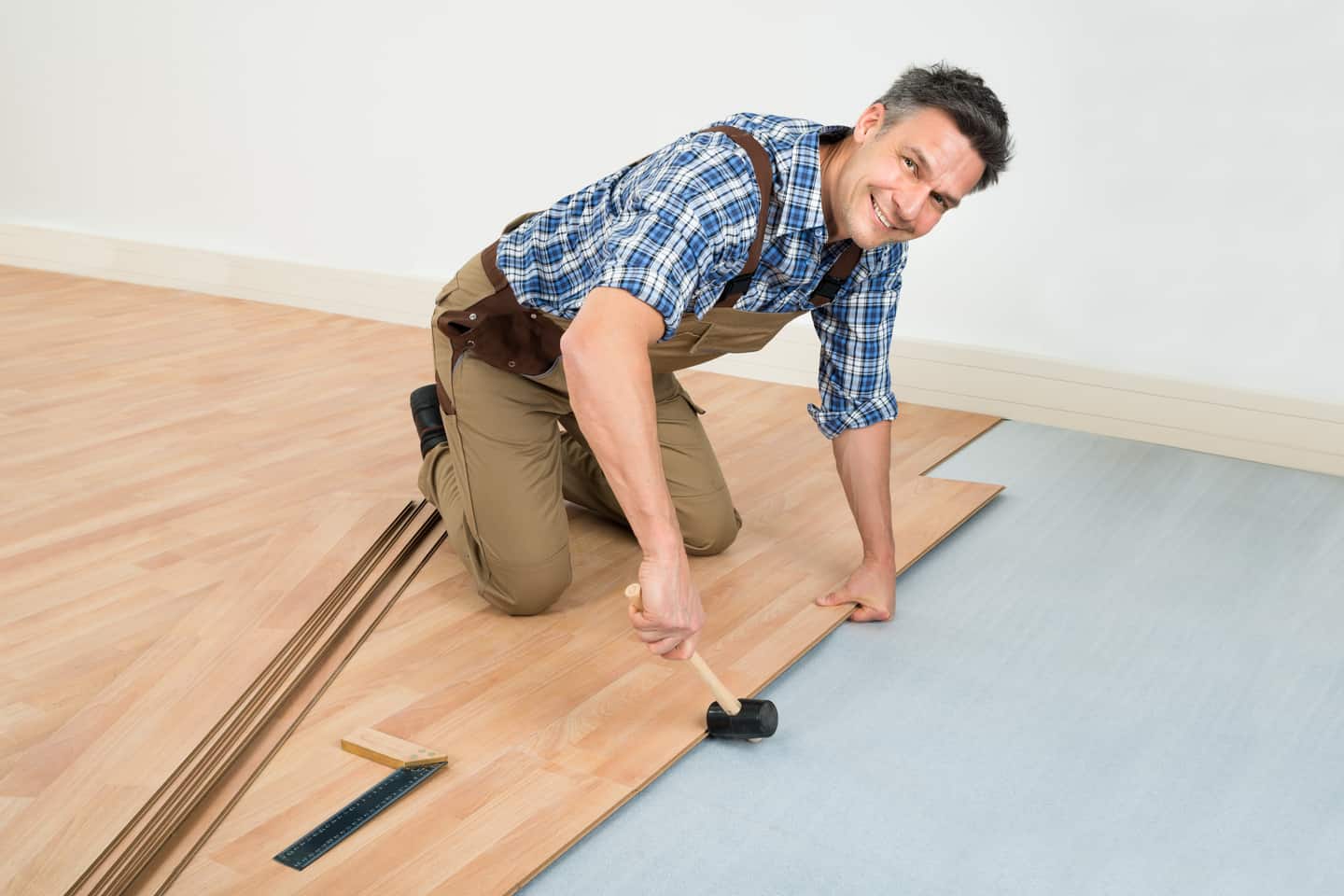
Waterproof Flooring Options For Philadelphia Bathrooms
Bathrooms are where flooring decisions offer the least room for error. The majority of rooms in the Philadelphia home can tolerate materials that are water-resistant, but bathrooms aren't. Shower water, steam from the shower, around toilet bases and splash zones at sinks and the general humidity that an enclosed bathroom produces daily can expose any weakness in a flooring material that isn't genuinely waterproof. Philadelphia houses have additional problems for older subfloors that might be leaking moisture or even bathrooms that weren't updated since the 1970s, as well as in many rowhomes bathrooms built on top of finished living spaces where flooring issue could lead to a ceiling issue down. Here's what actually is working, what's not, and what you need to know prior to any bathroom floor going in.
1. Porcelain Tiles are the Benchmark Every Other Surface is Compared
There's a reason porcelain tile has been the preferred bathroom flooring choice for years as it's inert to water at the tile's edge, able to handle moisture and steam without degrading or deteriorating, and with proper installation and grout sealing it will beat all other alternatives in wet conditions. Tiles made of porcelain in Philadelphia bathrooms is the choice that has the longest documented track record. There are a few downsidesit is cold underfoot, abrasive joints, and regular maintenance needed -- however, none other material is able to match its ability to waterproof and long-lasting durability in a bathroom environment.
2. Ceramic Tile is a Valid Step Down, Not an Equal Alternative
They are frequently described as interchangeable but aren't the same product when it comes to bathrooms. More porous is ceramic than porcelain, which is important in a bathroom where moisture is constant rather than occasional. For a powder area or guest bathroom that is not used frequently ceramic tile flooring can be a practical and less expensive option. If you are looking to renovate a bathroom that is the primary one in an Philadelphia home that gets daily shower usage, the density and moisture resistance of ceramic is worth the additional expense per square foot. The process of installing it is similar -- the performance over time is not.
3. LVP is the Most Practical Alternative to Tile that is Waterproof
Luxury vinyl plank has genuinely gained its place as a bathroom flooring option. The plank itself is 100% waterproof. The material's core doesn't absorb water, its surface doesn't change with humidity exposure, and it's warmer and more comfortable underfoot than tiles. The major caveat when installing in bathrooms is that the LVP's waterproofing can only be applied to the planks by themselves, though not exclusively to the seams between them. A bathroom that has a significant water exposure -- a walk-in shower without a suitable barrier, a freestanding bathtub or a tub that is not properly sealed, water can move its way between planks, and eventually reach the subfloor. An appropriate installation technique as well as seam sealing is vital here more than any other room.
4. Laminate in the Bathroom is the One You'll Remember
This has to be mentioned clarly since laminate has a tendency to show up when estimating bathroom flooring, mostly due to its lower price point. Laminate comes with a wood-fiber core. Wood fiber and continuous bathroom moisture are incompatible. The edges swell, the gaps expand, the layers separate, and wear and tear accelerates in the bathroom faster than in any other room of the home. Low-cost flooring installation that creates laminate in the Philadelphia bathroom isn't an inexpensive option. It's an expense that will be delayed by the time of. Any flooring expert who recommends laminate for a primary bathroom should be confronted directly on why.
5. The Subfloor Under a Philadelphia Bathroom Requires a Fair Assessment
Older Philadelphia rowhomes and suburban colonials typically have bathroom subfloors with a long-standing water history, such as previous leak staining, soft spots left from decades of water exposure, or old board subfloors that have been soaked more than they need over time. Installing a new, waterproof floor over an existing subfloor won't fix the issue at hand, it simply covers it, while it continues to decline. The repair of subfloors in Philadelphia bathrooms prior to the time that new flooring is installed isn't an opportunity to make a sale, it's a requirement for a new flooring to function correctly and not fall apart prematurely.
6. Floor Heating Compatibility is a matter of Material
Heating floors for bathrooms- now used in Montgomery County and Delaware County home remodeling -- isn't appropriate for every flooring material. Porcelain tile holds and conducts heat effectively, which makes it the ideal flooring for heating a subfloor. LVP is incompatible with radiant heating however has temperature thresholds that need to be met -- excess heat can cause dimensional instability. In the event that bathroom floor heating is an aspect of your renovation, the flooring material selection as well as the heating system's design need to take place in concert with each other, not in isolation.
7. Bathroom Tile Layout Can Affect Both appearance and water management
This is one of the things that can distinguish skilled tile flooring installers from those who only know how to lay tile. Bathroom floors need a slight pitch toward the drain -- usually 1/4 inch per ftin order to prevent standing water. Tile design that does not account for that, or does battle against it by using large-format tiles that cross the slope, can cause problems of pooling which ultimately work into the subfloor. The discussions with your contractor should consider how the tile pattern interacts in relation to the location of the drain, not only how it appears on paper.
8. Grout Selection in Bathrooms is an important choice
Standard sanded and polished grout in bathroom renovations requires sealing at installation and periodic sealing throughout its life. Epoxy grout -which is tougher, more expensive, and more difficult to set up- is essentially impervious to staining, moisture, and water and doesn't require sealing. When it comes to Philadelphia bathroom tile installations where homeowners are looking for minimal maintenance Epoxy grout is more than worth the extra cost of labor. If you're a homeowner who is committed to regular maintenance on their grout, standard grout with proper sealing performs efficiently. What isn't working is regular grout that never gets sealed in a high-moisture bathroom room.
9. Small Format Tile Manages Bathroom Floor Slopes Better
The trend towards large format tile -- 24x24 or bigger that work well in living spaces and kitchens faces practical issues in bathrooms. Larger tiles are more difficult put in the drains while not creating noticeable unevenness. In addition, they require subfloors with a flat surface to prevent lippage. Smaller format tiles that are 12x12 and smaller and particularly mosaic tiles -- follow the contours of the bathroom floor more naturally. They also handle the drain slope better and give more grout lines which actually increase the resistance to slip when wet. Philadelphia tile flooring contractors experienced in bathroom work will engage in this discussion before decision-making on layouts is made.
10. Bathroom flooring and wall tile should Be Specificated Together
A mistake that causes aesthetic regret, more so than functional issues. But it's worth avoiding either way. Wall tile and bathroom floor tile interact visually within a small space in ways that can be difficult to discern using just samples. Scale, pattern, grout color and the final all must be considered together. Flooring contractors who also do the installation of bathroom tiles Philadelphia work are able to coordinate this. People who do only flooring and leave wall tile work to a separate contractor can create situations where the final result appears as though two different people made decisions independently -- simply because they did. Have a look at the recommended View the most popular flooring installation cost Philadelphia for blog advice including hardwood floor installation cost Philadelphia, affordable flooring installation Philadelphia, tile flooring contractors Philadelphia PA, laminate flooring installation Philadelphia PA, tile flooring contractors Philadelphia PA, floor installation Bucks County PA, laminate floor contractors Philadelphia, flooring estimate Philadelphia, laminate flooring installation Philadelphia, tile flooring installation Philadelphia and more.